Armenian and Turkish trout: the same fish, a different climate
Turkey is the largest trout producer in the region, and any buyer comparing Armenian trout is comparing it against Turkish. That comparison is worth doing properly, because a lot of what gets said about it is marketing rather than fish.
One species, two climates
Start with what is not different. Both are rainbow trout, Oncorhynchus mykiss. Anyone selling you a distinction of species is selling you nothing. Norway and Scotland are a separate conversation: their fish is Salmo salar, Atlantic salmon, a different animal that is not a like-for-like comparison at all.
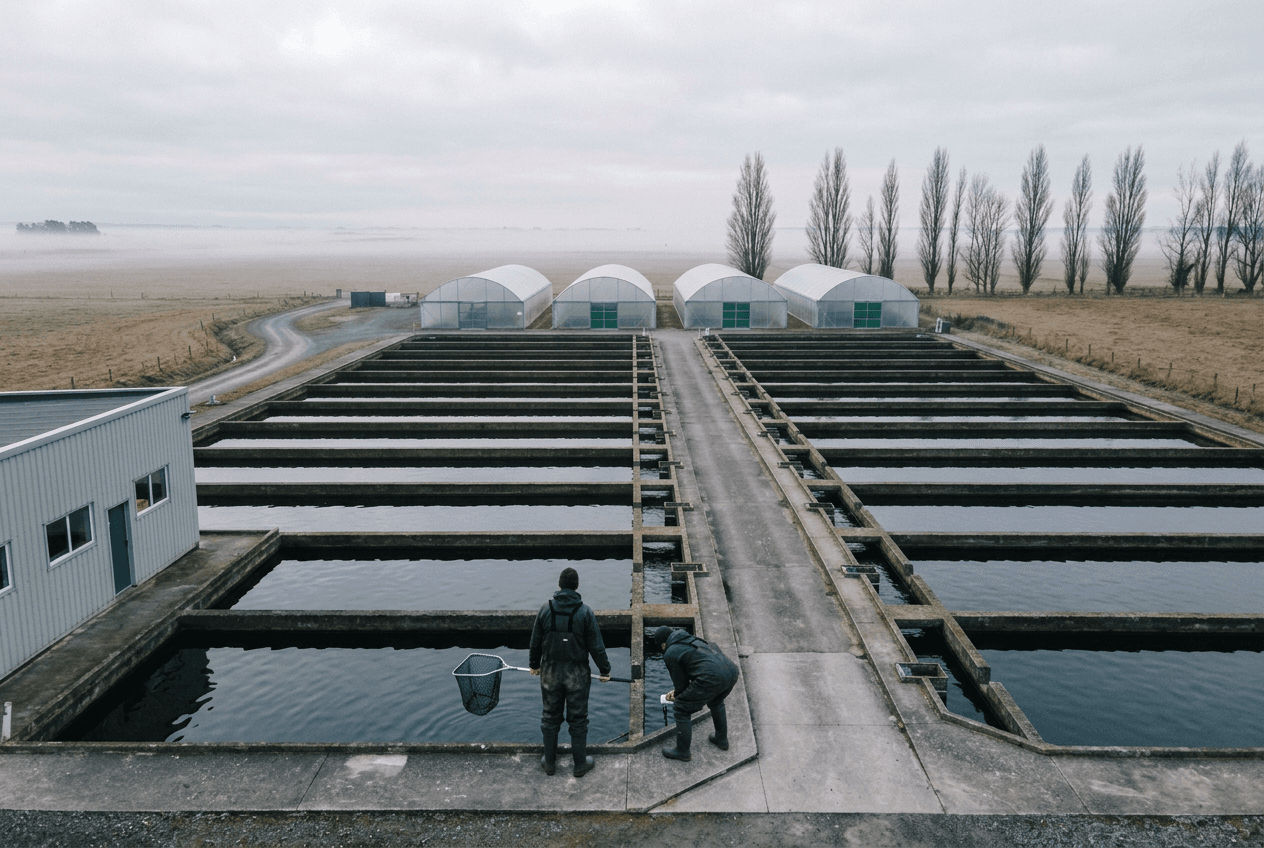
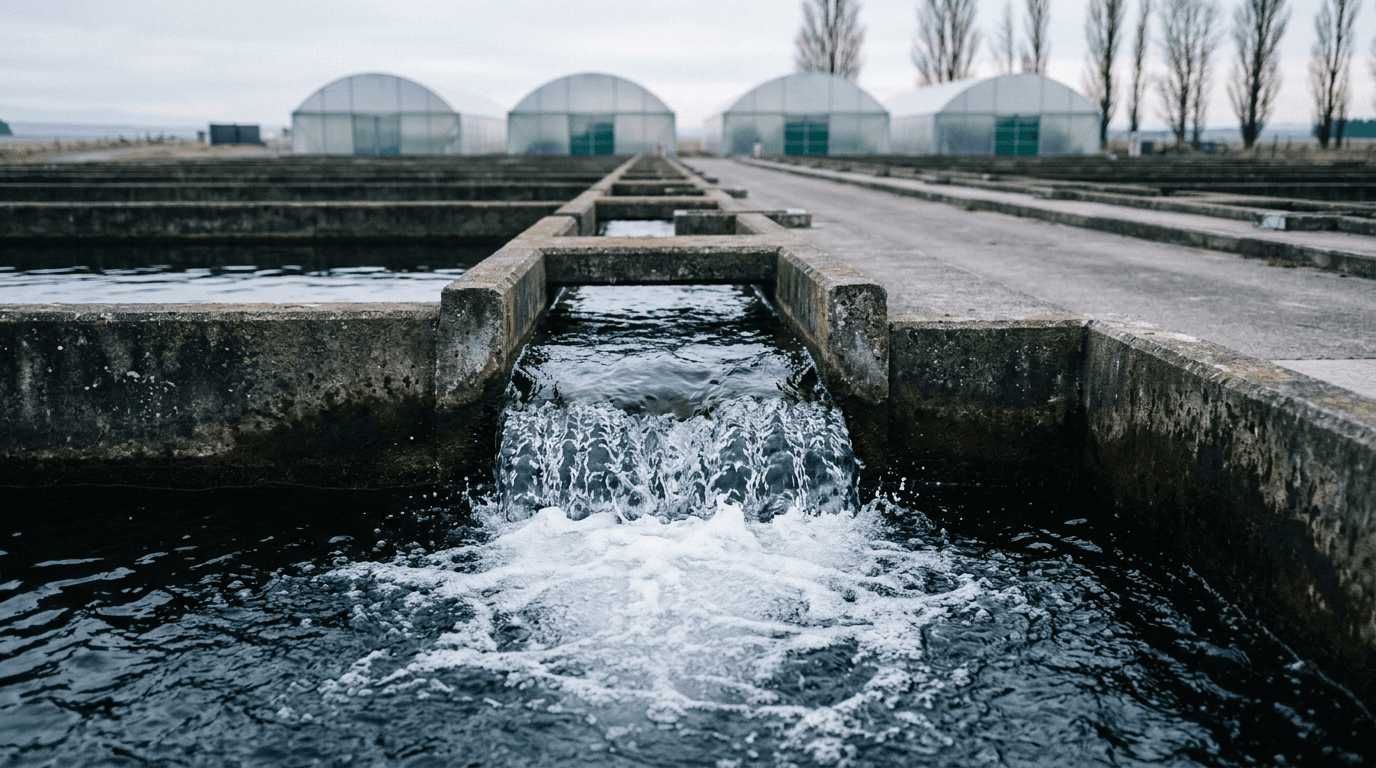
What does differ is the water. Much of Turkish production sits in reservoirs and lowland systems where the water warms through the summer. Ours comes out of an artesian borehole in the Ararat Valley at about 14 °C, and it holds that temperature in August as well as in February.
Why water temperature shows up in the fish
Warmer water grows fish faster. Faster growth builds softer flesh, and it means a stock reaches market weight in less time. Colder water does the opposite: slower growth, denser muscle, more consistent size grading through the year.
Neither is objectively better — a faster-growing fish is cheaper to produce, and price matters. But they are not the same product, and if a buyer is paying for texture and consistency then water temperature is the thing to ask about, not the country on the label.
The distance to the aircraft
Freshness is logistics, not virtue. Our site is eleven kilometres from Zvartnots international airport, flights to Dubai leave daily, and the flight itself is about three hours. That means a fish taken from the pool in the morning can be on a plane the same day, which is the whole of the freshness argument stated as a fact rather than an adjective.
Comparing the two honestly
If you are putting two offers side by side, hold these constant:
- price per kilogram for the same form — whole, H&G or fillet, never mixed
- hours from harvest to dispatch, as a number
- post-harvest treatment, in writing, from both suppliers
- the size grade you will actually receive, not the range the farm can produce
- storage temperature, and who holds the cold chain to your door
Compared on those five lines, the two are easy to tell apart. Compared on origin alone, they are not.